The problem
The fungus gnat is the pest that just keeps coming. You dry out the soil, set up sticky traps, maybe even reach for the hydrogen peroxide, and just when you think you’ve have won, they’re back. The adults are harmless but maddening, drifting around your face and laying the next generation in any damp compost they can find. And most controls only deal with one stage of the cycle and leave the rest to carry on.
The hack
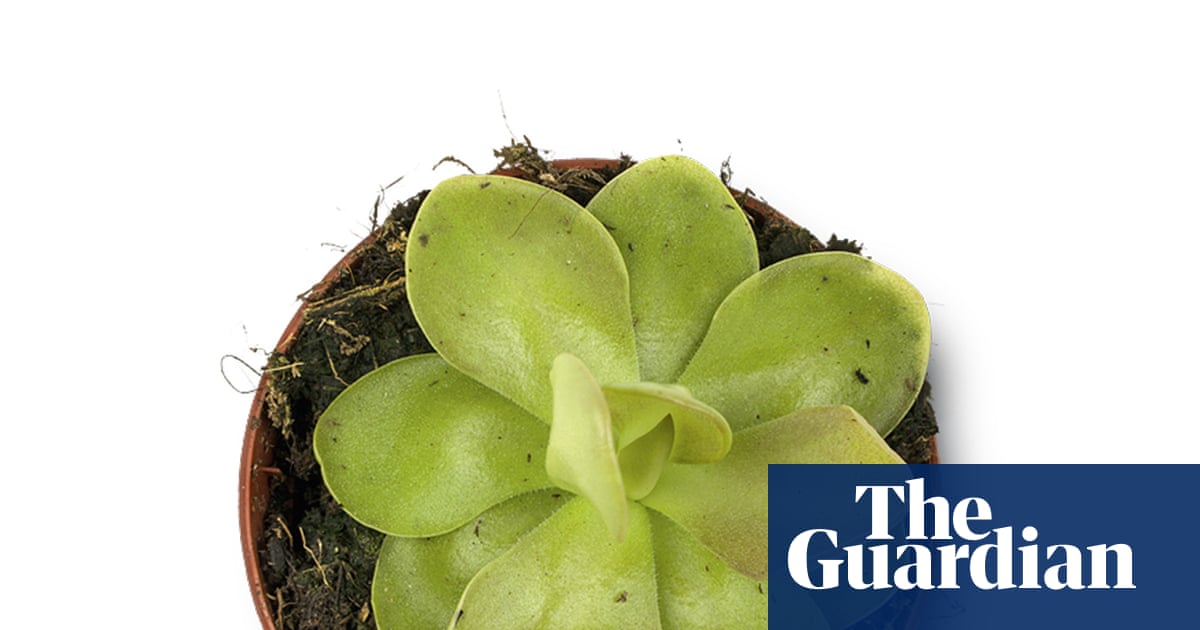
Butterworts are small carnivorous plants whose leaves are coated in a sticky mucilage that traps tiny flying insects, including fungus gnats. Keep one or two among your collection as living flypaper, catching adult gnats before they can breed.
The method
Choose a butterwort, pot it in a mineral-poor mix such as sand, perlite or peat moss rather than standard compost, and never feed it fertiliser. Bottom water with rainwater or distilled water only, keeping the soil lightly moist. Place it among the plants where gnats tend to gather and let the leaves do the work.
The test
I put a butterwort beside a fern that had become a gnat nursery. Within days, the leaves were freckled with caught flies. The adult fungus gnat population took a steep decline over a fortnight, and the butterwort enjoyed the feeding.
The verdict
Butterworts are not a complete solution, because they catch adults rather than the larvae in the soil. But fewer adults means fewer eggs, and that breaks the cycle. As a living, self-sufficient gnat trap that is also a beautiful little plant in its own right, the butterwort earns its place on the windowsill.